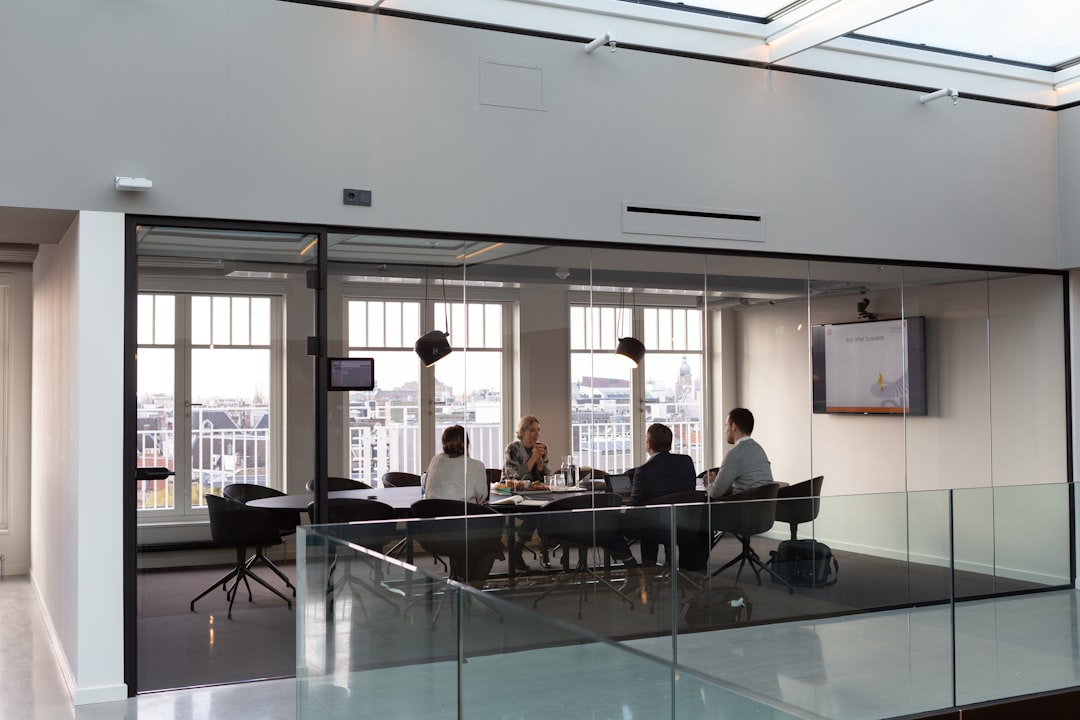
Job interviews can be nerve-wracking experiences, but with the right preparation, you can walk into any interview room with confidence. Whether you're a recent graduate or a seasoned professional, these ten essential strategies will help you present your best self to potential employers.
1. Research the Company Thoroughly
Before stepping into an interview, invest time in understanding the company's mission, values, recent news, and industry position. Visit their website, read recent press releases, and check their presence on professional platforms. This knowledge allows you to tailor your responses and demonstrate genuine interest in the organization.
2. Understand the Job Description
Analyze the job posting carefully and identify the key skills and qualifications the employer is seeking. Prepare specific examples from your experience that align with these requirements. This preparation helps you draw clear connections between your background and the role's demands.
3. Prepare Your STAR Stories
The STAR method (Situation, Task, Action, Result) is an excellent framework for answering behavioral interview questions. Prepare at least five to seven stories from your professional experience that showcase your problem-solving abilities, leadership skills, teamwork, and adaptability. Having these narratives ready ensures you can respond confidently to various questions.
4. Practice Common Interview Questions
While you cannot predict every question, certain inquiries appear frequently in interviews. Practice answering questions about your strengths and weaknesses, career goals, reasons for leaving previous positions, and why you're interested in the role. Rehearse your responses aloud to refine your delivery and identify areas for improvement.
5. Prepare Thoughtful Questions
Interviews are two-way conversations. Prepare insightful questions about the role, team dynamics, company culture, growth opportunities, and performance expectations. Asking thoughtful questions demonstrates your engagement and helps you assess whether the position aligns with your career goals.
6. Plan Your Professional Attire
First impressions matter significantly in interviews. Research the company's dress code and choose professional attire appropriate for the organization's culture. When in doubt, err on the side of being slightly more formal. Ensure your clothes are clean, pressed, and fit well. Planning your outfit in advance eliminates last-minute stress.
7. Master Your Body Language
Non-verbal communication plays a crucial role in how interviewers perceive you. Practice maintaining good eye contact, offering a firm handshake, sitting up straight, and using natural hand gestures. Be mindful of nervous habits like fidgeting or touching your face. Positive body language conveys confidence and professionalism.
8. Conduct Mock Interviews
Practice makes perfect. Conduct mock interviews with friends, family, or professional coaches. This exercise helps you refine your responses, improve your delivery, and become comfortable with the interview format. Request honest feedback on your answers, body language, and overall presentation.
9. Prepare Your Materials
Organize all necessary documents the night before your interview. Bring multiple copies of your resume, a list of references, a portfolio of your work if applicable, and a notepad with your prepared questions. Having these materials readily available demonstrates your organizational skills and preparedness.
10. Plan Your Logistics
Remove potential stress by planning the practical aspects of your interview day. Research the interview location, plan your route, and account for traffic or transit delays. Aim to arrive 10-15 minutes early. For virtual interviews, test your technology, ensure a professional background, and verify your internet connection stability beforehand.
Additional Tips for Success
Beyond these core strategies, remember to stay authentic throughout the interview process. While preparation is essential, avoid over-rehearsing to the point where your responses sound scripted. Employers value genuine candidates who can think on their feet and engage in natural conversation.
Take care of your physical and mental well-being in the days leading up to your interview. Get adequate sleep, eat nutritious meals, and engage in stress-reducing activities. A clear, rested mind performs better under pressure.
Finally, maintain a positive attitude regardless of the outcome. Each interview is a learning opportunity that helps you refine your skills and approach. If you don't receive an offer, request feedback when appropriate and use it to improve your future performance.
Conclusion
Thorough interview preparation significantly increases your chances of success. By implementing these ten strategies, you'll enter your next interview with the confidence and skills necessary to make a strong impression. Remember that preparation is not just about having the right answers but about presenting yourself as a capable, professional, and enthusiastic candidate who would be an asset to any organization.
Take the time to invest in your preparation, and you'll find that interviews become less daunting and more like opportunities to showcase your talents and connect with potential employers. Your dream job is within reach with the right preparation and mindset.